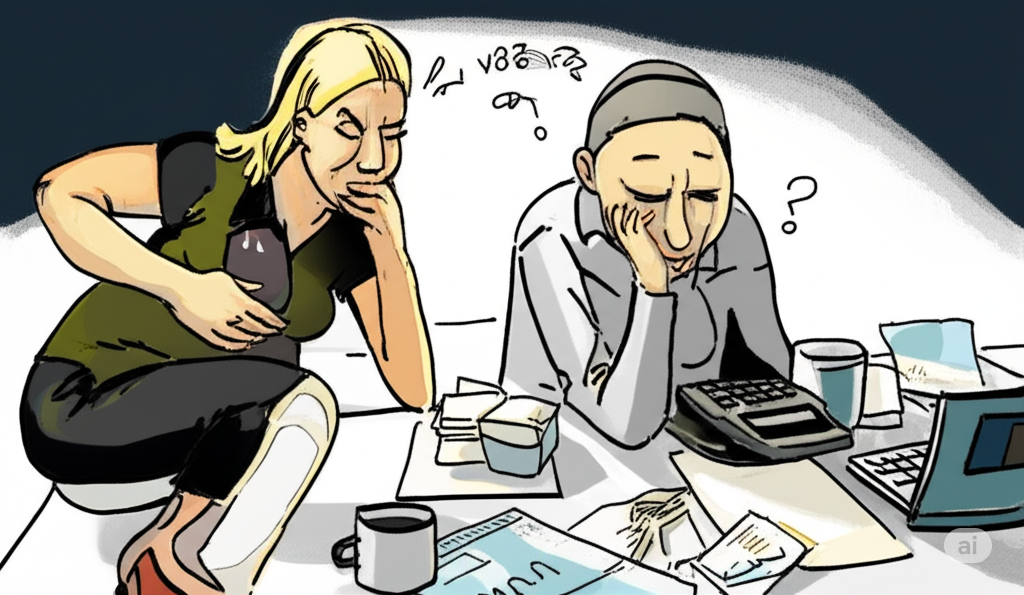
The consequences of ignoring the Companies and Intellectual Property Commission (CIPC) in South Africa—especially the mandatory annual filings—are indeed severe and can ultimately result in the end of a business.
Here is an elaboration on the key reasons why CIPC compliance is a non-negotiable part of running a business in South Africa.
No Filing, No Business: Why Ignoring CIPC Could Cost You Everything
The Companies and Intellectual Property Commission (CIPC) is the official registrar of companies in South Africa. For every registered entity—whether a Private Company (Pty) Ltd, a Close Corporation (CC), or a Non-Profit Company (NPC)—the Annual Return is a non-negotiable statutory requirement.
Ignoring this administrative task is not just about missing a deadline; it is about telling the state regulator that your business is no longer active, which triggers a sequence of events that can effectively destroy the company.
1. The Ultimate Threat: Corporate Deregistration
The most devastating consequence of ignoring CIPC filings is deregistration.
The CIPC requires Annual Returns to confirm that a company or close corporation is still in business/trading. If a company fails to file its Annual Returns for two or more successive years, the CIPC assumes the entity is inactive and begins an automated deregistration process.
The Fatal Legal Effect:
- Withdrawal of Juristic Personality: Deregistration means the company’s legal status is revoked, and the business effectively ceases to exist as a separate legal entity.
- Asset Seizure (Bona Vacantia): Once finally deregistered, any assets the company owns—including immovable property (like buildings and land) and money in bank accounts—may be transferred to the State as bona vacantia (ownerless goods).
- Loss of Trading Ability: The deregistered entity can no longer legally trade, enter into new contracts, or issue invoices. Banks and service providers will refuse to do business with it, often freezing the business’s bank accounts.
2. Personal Liability for Directors and Members
One of the foundational protections of a registered company is the separation between the business and its owners (limited liability). This protection is lost upon deregistration.
In the case of a deregistered company, the active directors or members at the time of deregistration can be held personally liable for the company’s debts and obligations incurred during their tenure. The shield of the company’s “juristic personality” is withdrawn, leaving the individuals exposed.
3. Financial Penalties and Fines
While deregistration is the worst outcome, financial penalties begin much earlier:
- Late Filing Fees: Once the filing deadline (typically within 30 business days of the anniversary of the company’s incorporation) is missed, a penalty fee is added to the standard filing fee, increasing the cost of compliance.
- Administrative Fines: For serious non-compliance, such as filing incorrect information (like miscalculated turnover) or ignoring a compliance notice, the CIPC has the power to apply to a court to impose an administrative fine. These fines can be severe, in some cases reaching up to 10% of the company’s annual turnover.
4. Difficulty in Restoring Compliance (Reinstatement)
If you ignore the warnings and the company is deregistered, the process to restore it (reinstatement) is cumbersome, time-consuming, and costly.
- It requires submitting a formal application, proving that the company was either still active or had assets at the time of deregistration.
- All outstanding Annual Returns and Beneficial Ownership Declarations must be filed and paid up to date, along with the required reinstatement fees.
- Even if successful, a period of final deregistration may have allowed another entity to reserve a similar or identical company name, leading to further complications and legal battles before the Companies Tribunal.
What to File (Beyond the Annual Return)
In addition to the Annual Return, businesses must also comply with new regulations, specifically the mandatory filing of Beneficial Ownership (BO) Declarations. Failure to submit accurate BO information is a contravention of the Companies Act and can result in:
- The CIPC refusing to process any other transactions for the company.
- Administrative fines and, eventually, a referral for deregistration.
The Bottom Line: Compliance is Survival
Whether your company is actively trading or simply dormant, the legal requirement to file the Annual Return remains. You are not exempt from filing a return (even a “nil return” if inactive) if you wish to retain your company’s registration.
To avoid the catastrophic costs of non-compliance:
- File on Time: Note the anniversary of your company’s registration and ensure the Annual Return is submitted within the 30-business-day window.
- Keep Contact Details Current: Ensure the CIPC has your correct email address and mobile number, as all deregistration notices and reminders are sent via email.
- Appoint a Professional: Engage a company secretary or accountant to manage this compliance function on your behalf.
Ignoring CIPC is an administrative oversight with existential business consequences. For your company to have a future, its compliance must be a priority.